Time Sensitive Dynamic Risk Factors May Help Predict Adverse Outcomes When Releasing Forensic Patients Into The Community
Dynamic risk factors, measured over several points in time, may help to
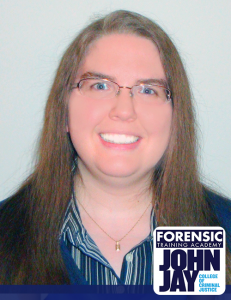
Are forensic judgments susceptible to biases derived from social stereotypes?
Criminal stereotypes are a potential source of bias in forensic evidence analysis
California Marriage and Family Therapists
As of January 1, 2015, the CA BBS will no longer issue

California Counselors
Licensees must complete 36 hours of continuing education within the preceding two
California Social Workers
CE Requirements for Social Workers in California: 36 hours every 2 years.
California Licensed Educational Psychologist (School Psychologists)
The CA BBS accepts APA approved courses for the LEP continuing education.
California Division of Workers’ Compensation
Designated courses are accredited by the California Division of Workers’ Compensation for

Texas State Board of Social Worker Examiners
CONCEPT is approved as a CE provider through the Texas State Board of Social Worker Examiners, Approval #7067. CONCEPT maintains
Texas State Board of Examiners for Licensed Professional Counselors
CONCEPT is approved as a CE provider through the Texas State Board of Examiners for Licensed Professional Counselors
Florida Board of Psychology
CONCEPT Professional Training is approved by the Florida Board of Psychology (CE

New York State Education Department’s State Board for Social Work
Consolidated Continuing Education and Professional Training, LLC (CONCEPT), SW CPE is recognized by
New York State Education Department’s State Board for Psychology
Continuing and Professional Studies, Palo Alto University is recognized by the New