Requirements
Either a counseling or adjacent bachelor’s degree is a requirement prior to graduate school. Bachelor's degrees for those who aspire to become counselors include psychology, sociology, counseling, gender studies, cultural studies, and more.
Select a Field & School
Counselors either earn a counseling degree or a psychology counseling degree. Clinical psychologists who specialize in counseling complete two to three additional years for a doctorate in comparison to mental health counselors who earn their master’s. After deciding between a master’s or doctorate, there is a chance to specialize in distinctive subjects.
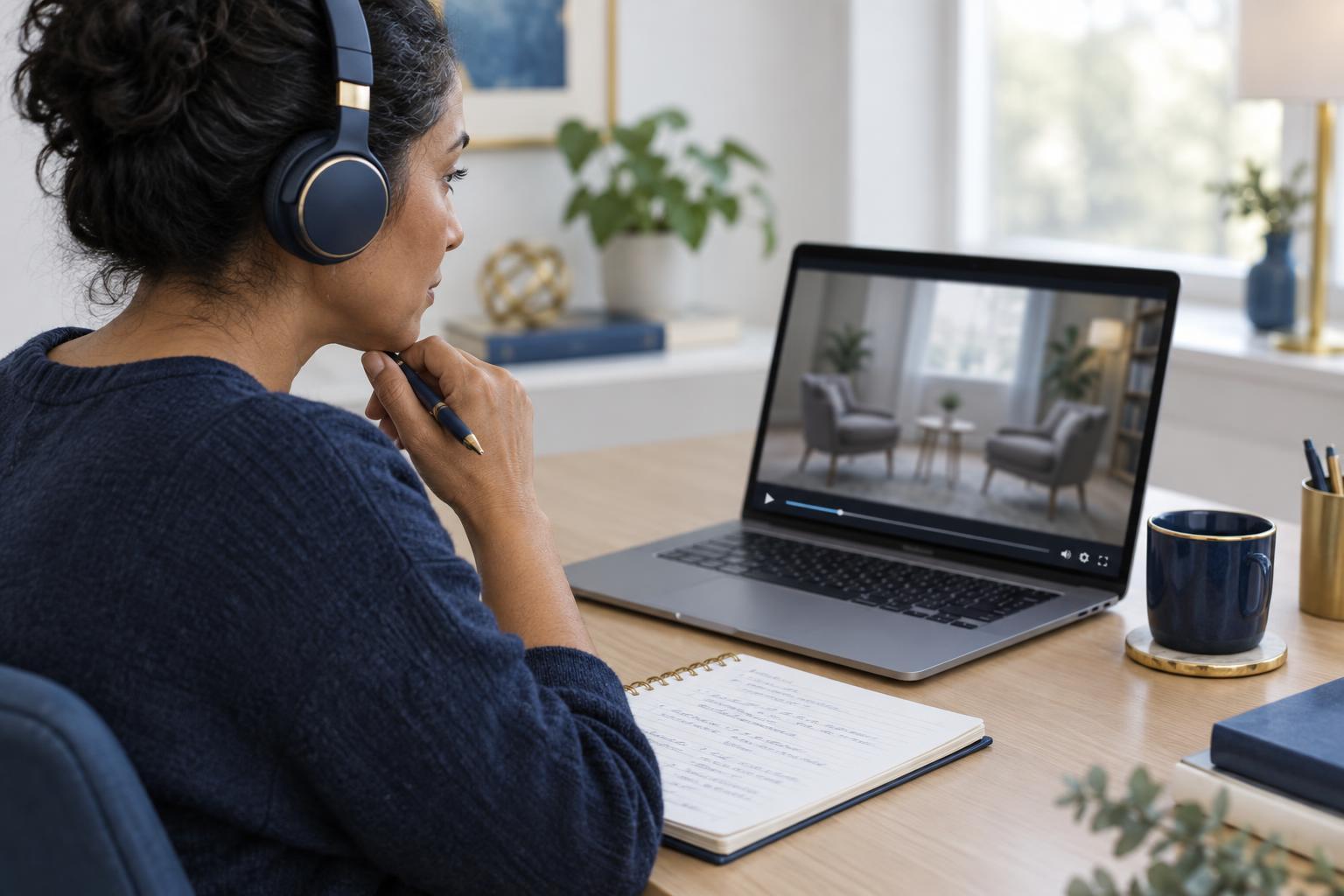
Digital Telehealth and digital therapy coursework are important to prioritize throughout graduate school, aiding in foundational experience before application. Counselors who aspire to practice online must concern themselves with privacy, client confidentiality, and internet interventions.
Complete Supervisory Hours & Internship
Mental health counselors complete an internship in addition to their graduate studies. While completing supervisory hours, strive to work for a clinic offering telehealth treatment options. Online counselors should have experience with multiple virtual modes of communication such as text, video chat, or voice call.
In general, counselors can only practice and see clients in states where they hold a license. If frequently traveling between a few destinations as a remote counselor, plan to undertake multiple licensing exams.
Counseling Compact is a new, innovative mission to enable licensed counselors to provide healthcare in the states which legally allow this interstate contractual agreement. This initiative allows mental health counselors who hold their licenses a unique way of expanding their clientele, administering therapy in underserved communities, and offering flexibility within the role of an online counselor.
Currently, there are sixteen states in contract with Counseling Compact: Georgia, Florida, Maryland, Alabama, Mississippi, West Virginia, Utah, Maine, Kentucky, Nebraska, Tennessee, Ohio, Colorado, Louisiana, New Hampshire, and North Carolina.
Join a Practicing Clinic or Start Your Own
Mental health counselors are able to work for an established clinic under a licensed therapist, or they need to obtain a license if they want to practice independently.
There are benefits and drawbacks to private practice. An independent mental health counselor needs to spend resources on finding clientele as well as encrypted virtual services and communication.
Resources
To acquire additional specialization and expertise, explore elements and fundamentals of online counseling with a certification from CONCEPT professional training in the Foundations of Digital Mental Health Certificate.

.jpeg)