.jpeg)
How Should an Organizational Director Select an Online Psychology Workshop for Staff to Train in Treating Self-Harm through Dialectical Behavior Therapy for Adolescents (DBT-A)?
Organizations that work with adolescents who self-harm or attempt suicide need to have an effective approach that is applied with fidelity across


How to Select Online Staff Training for Accelerated Experiential Dynamic Psychotherapy (AEDP) with Moment-to-Moment Affect Tracking
Accelerated Experiential Dynamic Psychotherapy (AEDP) is a relational, emotion-focused treatment model that helps clients work through difficult

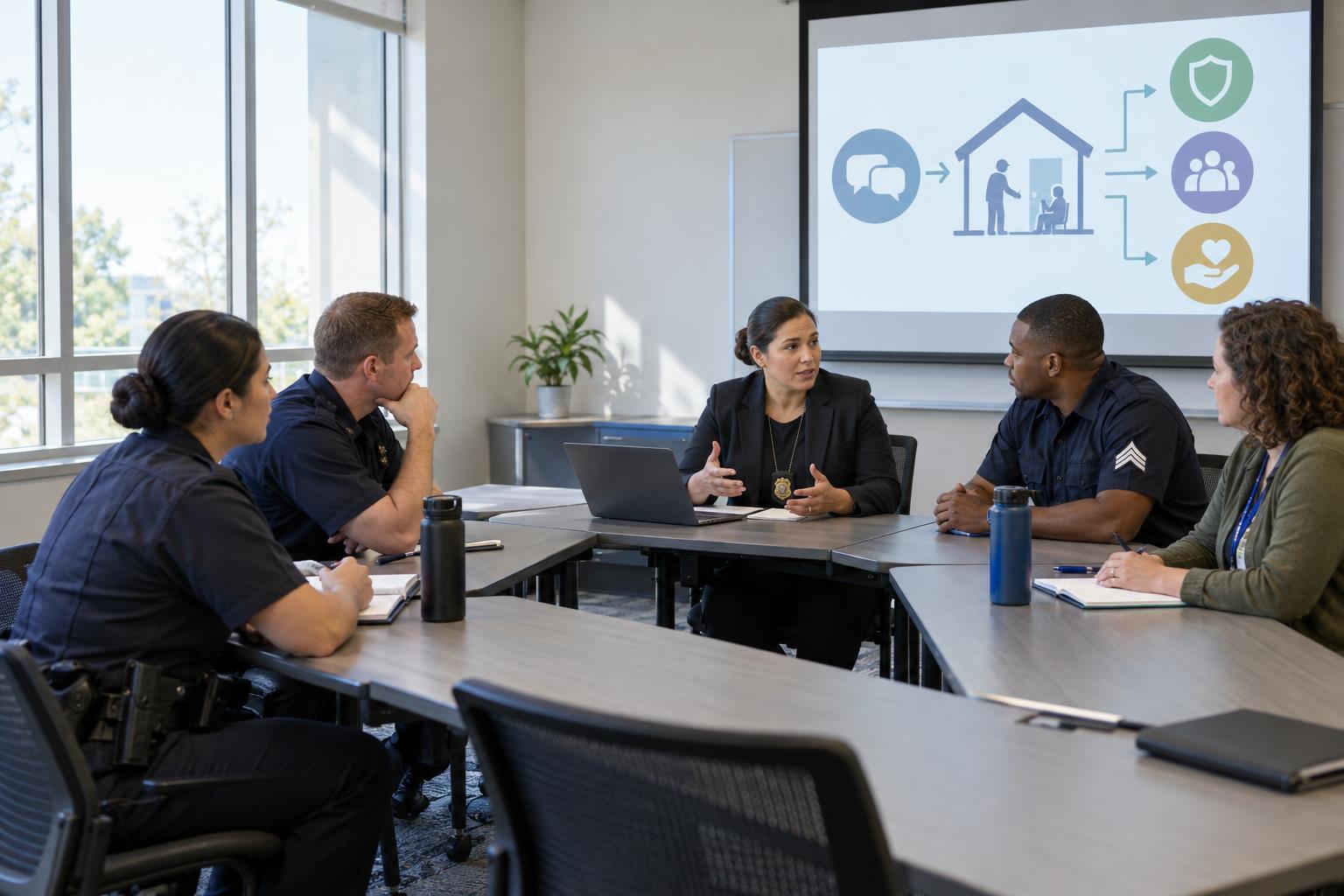
As a Police Training Director, How Can I Choose a Department-Wide Curriculum that Can Train an Entire Police Force in Psychology?
A department-wide psychology training should provide individuals with a common framework for recognizing behavioral concerns, communicating

.jpeg)
How Can Large Organizations Select Online Immigration Evaluation Training That Builds Fluency in Asylum-Based Psychological Assessment for Staff?
To qualify for asylum in the United States, an applicant must prove past persecution or a well-founded fear of persecution in their country of

How Can I Select an Online Parenting Capacity Assessment Training for Behavioral and Mental Health Staff and Social Workers at a Larger Organization?
A clinical director training staff to administer parenting capacity assessments must produce consistent, defensible performance that respects the
.jpeg)
What Distinguishes Rigorous Police and Public Safety Staff Training Workshops in Psychology From Online Generic CE Programs?
Clinical and training directors shopping for professional development encounter a set of options that may look comparable on the surface. A list of
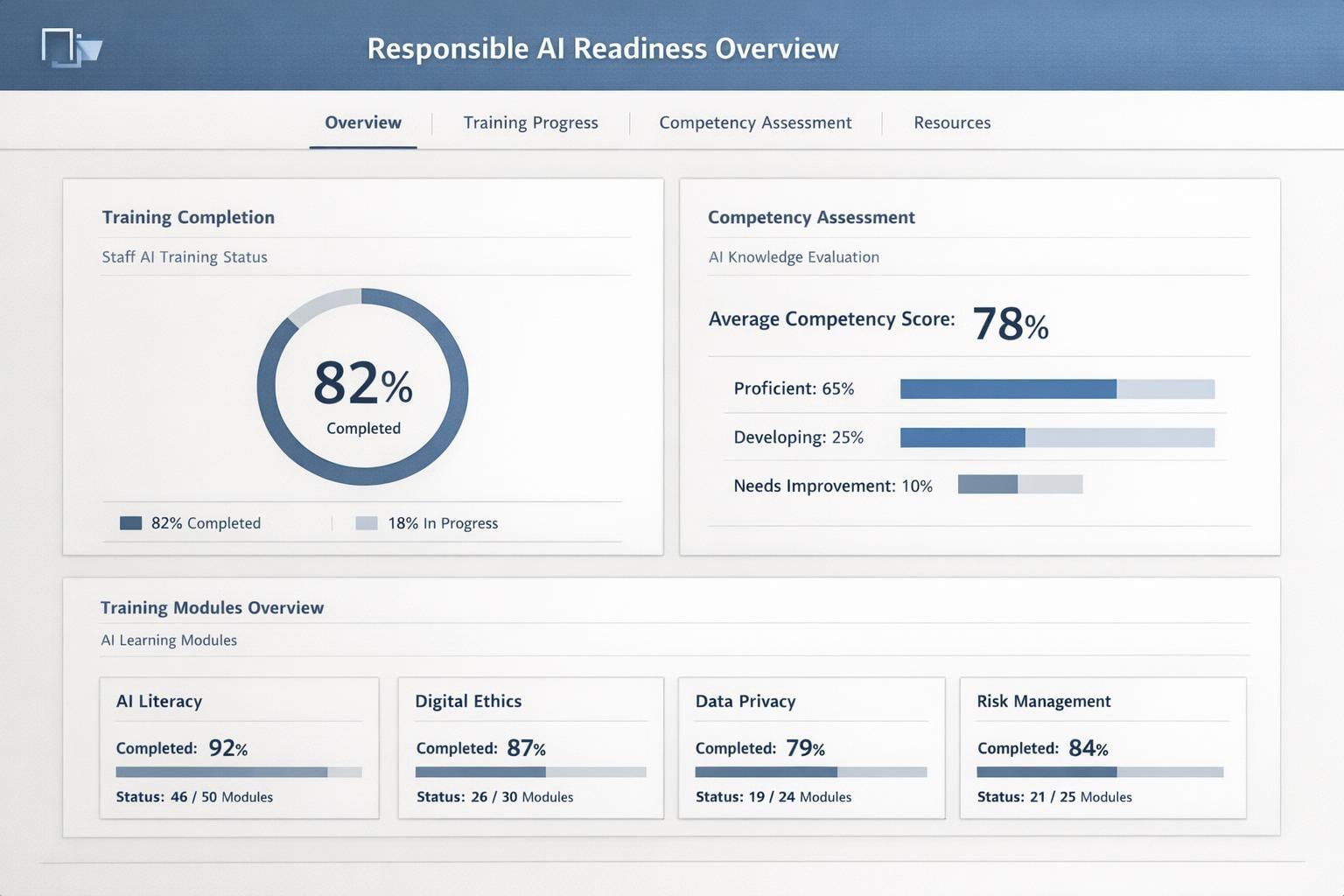
How Can Large Organizations Prepare Staff for AI Use in Digital Mental Health Through Online Staff Psychology Training Workshops?
AI is already present in the digital mental health space, and large organizations face a real challenge in preparing a diverse staff to use it
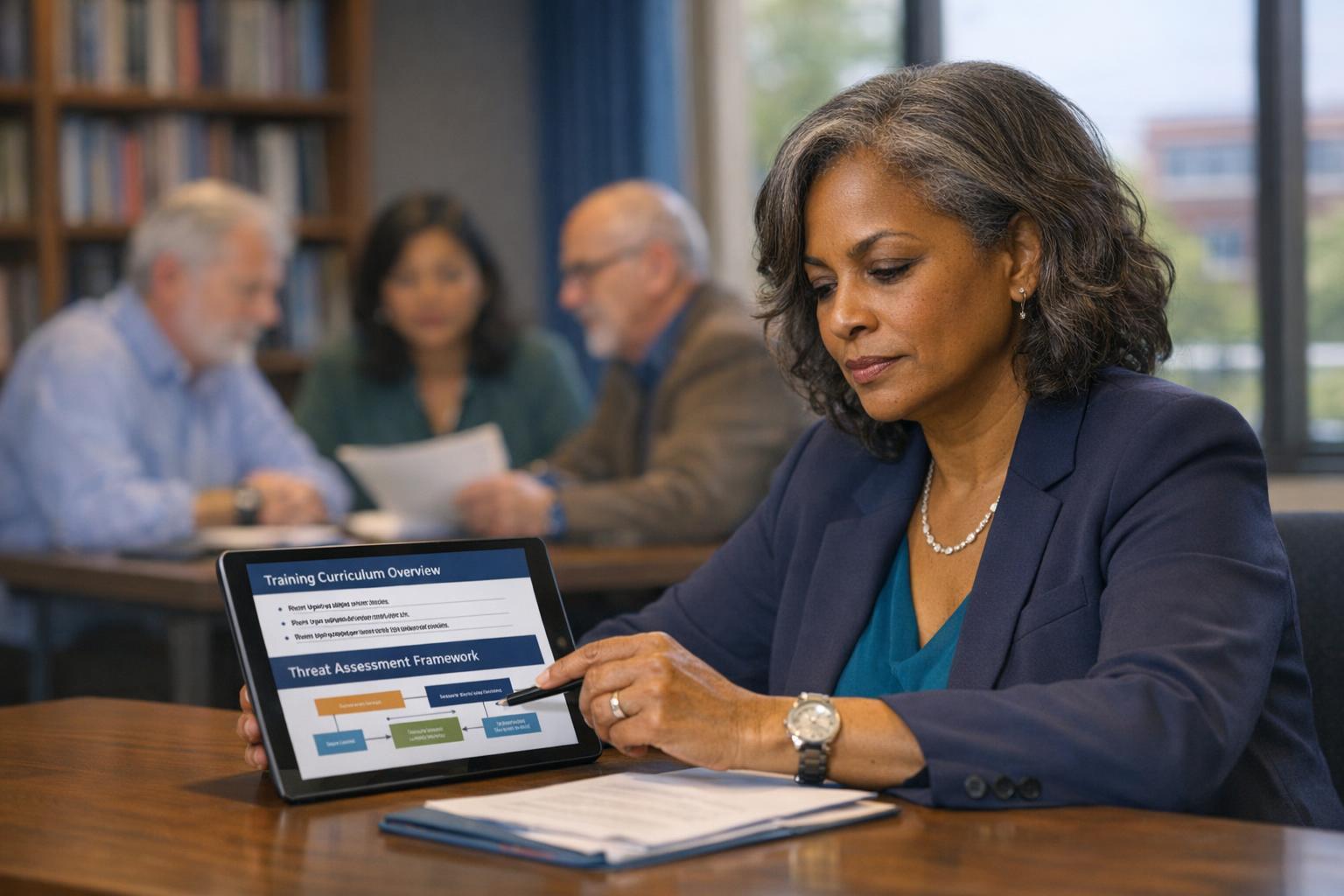
How Do I, as a Leader, Select a Training to Deliver Threat Assessment Group Training for Forensic Psychologists?
When you train a team, choosing professional development differs greatly from choosing a program for yourself.

How Can I, as a Clinical Director at a Large Organization, Select a Personality Assessment Inventory Training Program That Builds Staff Fluency in Administration, Scoring, and Interpretation?
Selecting a Personality Assessment Inventory (PAI) training for an entire clinical team is different from choosing a continuing education (CE) course

How Do I Select an Online Dialectical Behavior Therapy (DBT) Psychology Training Workshop for the Staff at my Organization?
Program managers bringing DBT into an organization have a unique challenge and need to verify that a large group of clinicians, case managers, and

Beyond Mental Illness as a Risk Factor: How Can Forensic Psychologists Refine Parole Suitability Assessments to Address Antisocial Patterns and Criminogenic Needs?
The notion that serious mental illness drives criminal risk has historically had a strong influence on the construction and interpretation of parole

How Can Structured Professional Judgment Help Forensic Psychologists Strengthen Risk Formulation in Criminal Court?
Structured Professional Judgment, often abbreviated as SPJ, has become an essential framework for forensic psychologists working in criminal court,