
Evaluation of Mental State at the Time of Offense: What Should I Know As a Forensic Psychologist Conducting a Criminal Forensic Assessment?
Evaluations of mental state at the time of the offense (MSO) are among the more complex tasks in criminal forensic assessment. These evaluations


Elevating Evidence: MMPI-3 for the Forensic Psychologist Wanting to Specialize in Custody Evaluations
For a forensic psychologist, child custody evaluations, increasingly referred to as parenting plan evaluations, represent some of the most impactful

How Can a Forensic Psychologist Approach a Violence Risk Assessment While Navigating Ethical Gray Areas, Especially with Unclear Referral Questions or Pressured Recommendations?
The role of a forensic psychologist is uniquely positioned at the complex intersection of clinical expertise and the adversarial legal system. This

What Do Recent Meta-Analyses Reveal About the Comparison of Structured Professional Judgment Tools Versus Actuarial Instruments in Violence Risk Assessment Practice for Forensic Psychologists?
For decades, forensic psychologists have compared and debated the merits of actuarial and structured professional judgment (SPJ) approaches to


As a Forensic Psychologist in Criminal Court, What Do I Need to Understand About Psychometric Theory to Support Defensible Opinions?
In criminal court, forensic psychologists are not evaluated solely on credentials, experience, or confidence on the stand. Our opinions are tested

What the Forensic Psychologist Must Know About Violence Risk Assessment With Complex Presentations: Comorbid Psychosis, Trauma, or Neurocognitive Impairment Affect Risk Formulations
In legal, correctional, and psychiatric settings, forensic psychologists are often asked to estimate the likelihood of future violence while also
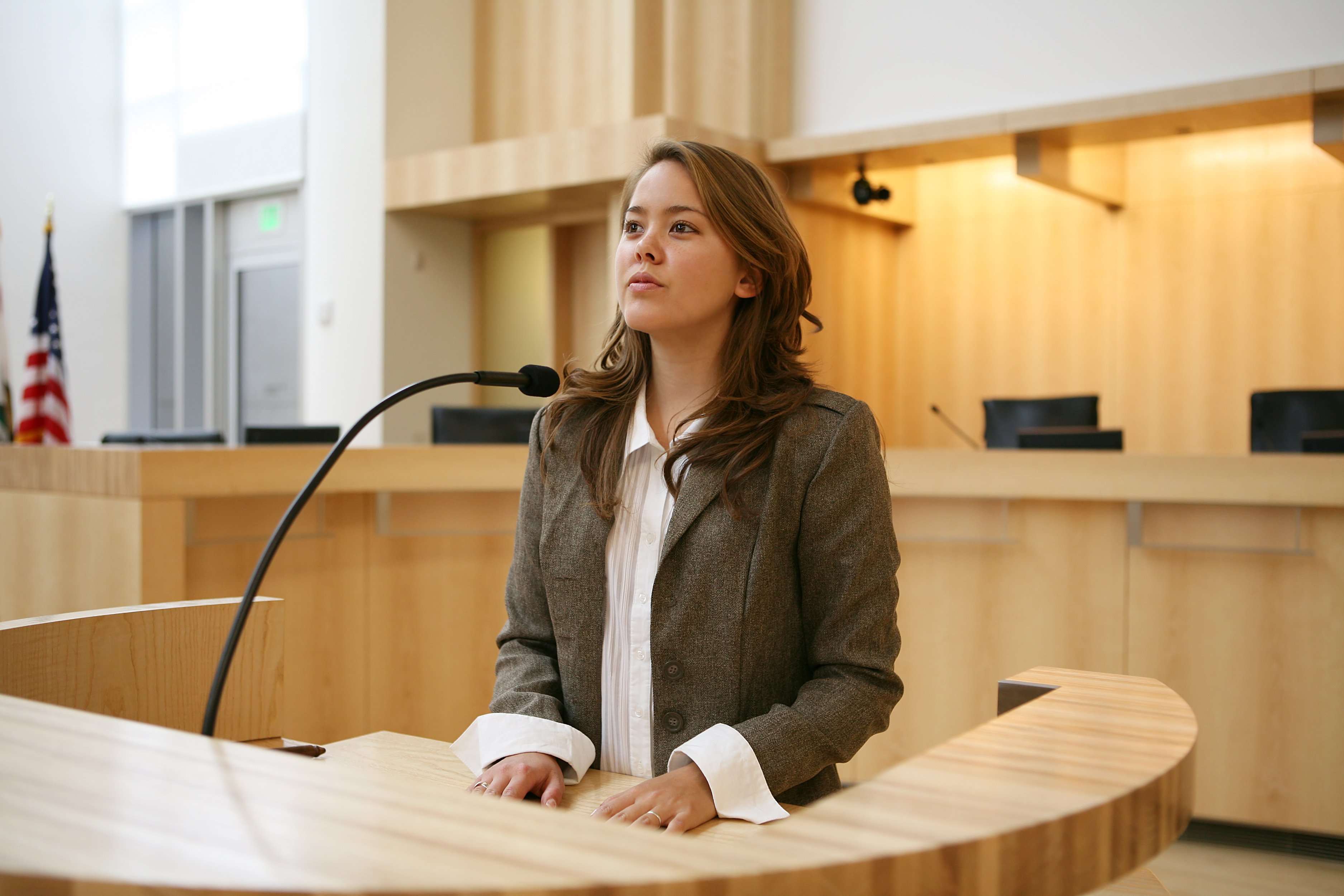
What Should a Forensic Psychologist Know When Preparing the Psychopathy Checklist-Revised (PCL-R) as Evidence for Criminal Court Testimony?
The Psychopathy Checklist-Revised (PCL-R) carries exceptional evidentiary weight in criminal court. Few assessment tools evoke stronger reactions

How Does a Forensic Psychologist Testifying as a Criminal Court Expert Witness Navigate Competency to Stand Trial Evaluations that Hold Up Under Courtroom Scrutiny?
Competency to stand trial is one of the most frequently raised psycholegal questions in American criminal courts. With more than 100,000 evaluations

What Should Forensic Psychologists Know About PCL-R Training for Field Reliability Challenges in Violence Risk Assessments?
The Psychopathy Checklist-Revised (PCL-R) remains one of the most widely used instruments in forensic psychology, routinely introduced in legal

How Can I, as a Forensic Psychologist, Learn How to Become a Child Custody Evaluator?
For forensic psychologists, the role of child custody evaluator represents a significant subspecialty within the field. The transition requires

What Helps a Forensic Psychologist Translate Complex Evaluations Involving Trauma, Dual Diagnosis, or Malingering into Clear Conclusions for Criminal Court?
Effectively communicating clinical complexity in criminal forensic assessments and expert testimony represents one of the most consequential

How Do I, as a Forensic Psychologist, Account for Cultural and Systemic Variables in Violence Risk Assessment to Avoid Bias and Improve Accuracy?
In the complex intersection of law and psychology, violence risk assessment remains one of the most consequential tasks entrusted to forensic