- What Separates Strong Child-Centered Play Therapy (CCPT) Training From Generic Play Therapy Courses?
- How Can Online Training Workshops Effectively Prepare Staff to Apply the Core Conditions of CCPT?
- How Can a Clinical Supervisor Evaluate Online CCPT Training Workshops for Their Coverage of Self-Direction and Congruence?
- How Can Behavioral Health Administrators Select CCPT Training Workshops That Build Therapeutic Limit-Setting Skills?
- How Can Training Directors Evaluate Fidelity to Nondirective Principles Through Observation and Qualified Feedback?
- How Do Different Training Formats Support Fidelity to Nondirective Principles?
- Conclusion
- Additional Resources
What Separates Strong Child-Centered Play Therapy (CCPT) Training From Generic Play Therapy Courses?
Play therapy often reveals recurring themes that offer a window into a child’s inner world, including their fears, hopes, and ongoing struggles. These themes can include control and power, safety and security, and family dynamics. To address these themes effectively with child clients, mental health professionals employ a variety of play therapy techniques.
In directive play therapy, the therapist introduces specific activities based on the child’s needs. In nondirective play therapy, the child leads the session. Both directive and nondirective approaches are found within the broader field of play therapy. A general play therapy course may teach a toolbox of methods that expand a counselor’s repertoire, without preparing them to practice CCPT. CCPT instruction should teach counselors to notice recurring themes without assigning fixed meanings to toys or directing a child toward a preferred story.
Research supports CCPT’s effectiveness. In a randomized controlled trial of CCPT and Adverse Childhood Experiences (ACEs), children who received 16 CCPT sessions over eight weeks showed significant gains in empathy, self-regulation, and social competence compared with a waitlist group. A meta-analysis of 52 controlled CCPT outcome studies showed that children who received CCPT demonstrated greater improvement than those in comparison groups.
CCPT and broader play therapy approaches have applications across a wide range of childhood experiences and needs. An overview of play therapy outlines how the modality is an effective form of prevention and treatment for children who are in a transition period of their lives, such as after a divorce or experiencing a loss. A conversation with Brittany Pollard and Tiffany Brooks explores creative and expressive techniques for giving grief a voice, which is an important part of empathy in CCPT. National Play Therapy Week highlights how the safety and creativity of play enables children to communicate experiences that are challenging to articulate verbally. The core conditions of CCPT give children a safe container to express strong emotions, build trust, and promote self-regulation.
How Can Online Training Workshops Effectively Prepare Staff to Apply the Core Conditions of CCPT?
CCPT grew out of person-centered therapy, developed by psychologist Carl Rogers in the 1940s and 1950s. Rogers proposed that people have a natural drive toward growth and healing, and that the therapist’s job is to create a relationship in which that growth can occur. The core conditions of CCPT come from Rogers' three ingredients for change: empathy, unconditional positive regard (acceptance), and congruence (being genuine). Psychologist Virginia Axline adapted these conditions for children in her 1947 book Play Therapy, and Garry Landreth later built on her principles to develop the CCPT model.
In CCPT, clinicians show empathy through tracking, or describing the child’s actions out loud (“You’re lining up all the cars”). Acceptance might look like responding with steady warmth to a child’s drawing, regardless of their artistic ability. Congruence asks the clinician to balance that warmth with honesty, meeting the drawing with curiosity instead of exaggerated praise. Honing these skills for effective moment-to-moment response in the playroom is key to developing CCPT competency.
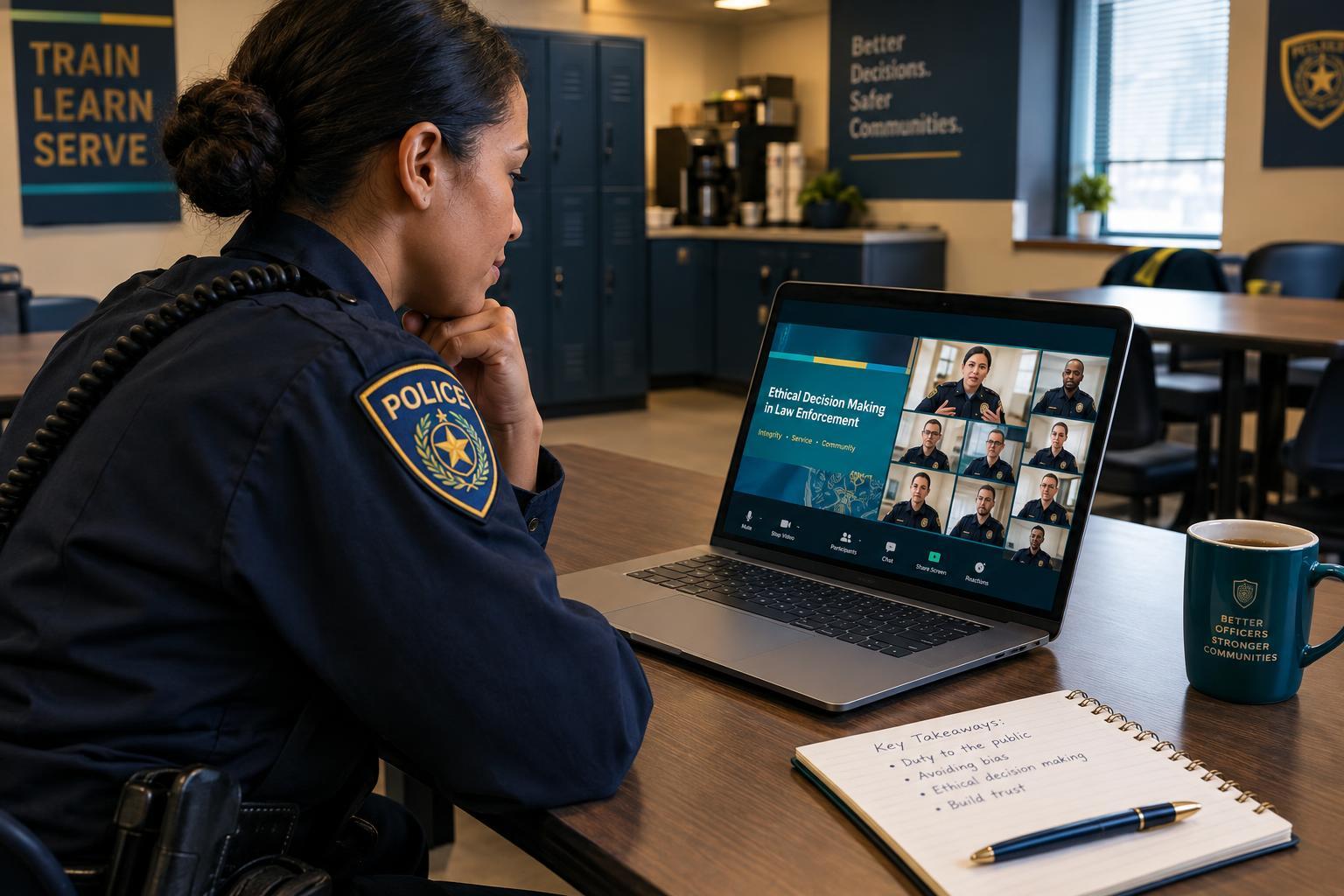
Strong online CCPT curricula give trainees the chance to watch skilled clinicians respond to children in real time, then rehearse those responses themselves, with presenters observing and correcting along the way. For example, a presenter can pause a recorded session and ask participants to write their own response before playing the therapist's actual response for comparison. In a live online session, breakout groups can take turns in the counselor and child roles while another participant observes and offers feedback. On-demand modules are ideal for laying the groundwork of CCPT’s core conditions, since staff can replay a demonstration until the concepts are familiar. A systematic review of more than 1,000 studies found that online training was as effective as in-person training in meeting learning goals.
How Can a Clinical Supervisor Evaluate Online CCPT Training Workshops for Their Coverage of Self-Direction and Congruence?
Self-direction refers to the child's freedom to lead the session. As previously discussed, congruence means that the therapist is authentic rather than performing a role. Self-direction and congruence depend on each other. A counselor who feels impatient with repetitive play and hides the impatience behind cheerful praise has lost congruence. A counselor who acts on the same impatience by suggesting a new game has taken away the child's ability to self-direct.
CCPT counselors protect self-direction through a skill called returning responsibility. When a child asks, "What should I draw?" the counselor might answer, "In here, you can decide." Some common adult responses, though well-meant, can quietly shift control of the session from the child to the counselor. Questions can steer play toward a topic or activity the adult finds more interesting, and praise can signal which choices the adult prefers.
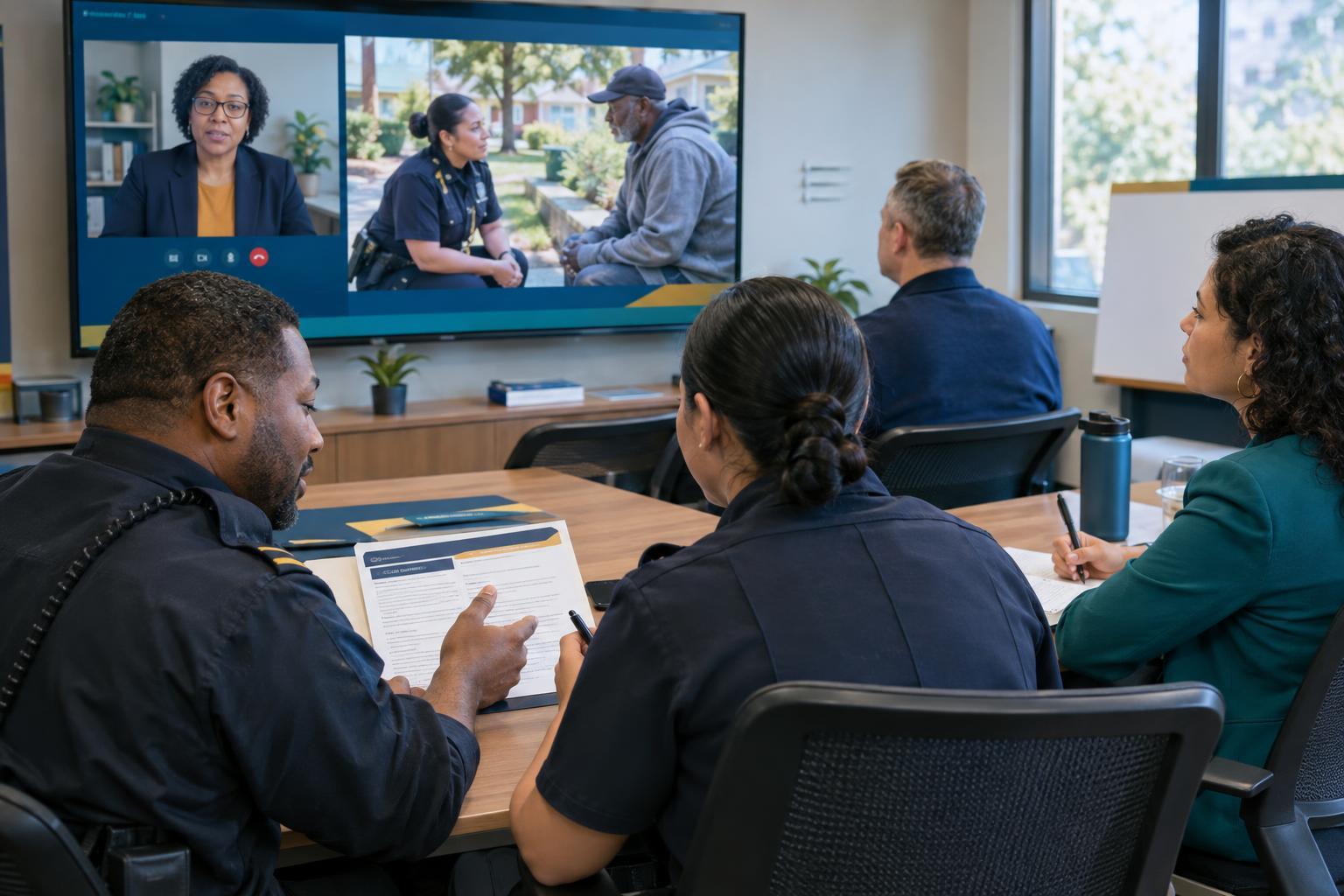
A review of therapist training studies found that training reliably increased therapists’ knowledge, while lasting changes in clinical behavior were observed mainly when programs included active learning, such as role-plays and feedback. For self-direction, a role-play might have a trainee playing the child repeatedly asking the counselor what to draw or which toy to pick, while the trainee in the counselor role practices returning responsibility without slipping into suggestions. A presenter can then point out moments when the counselor’s praise or tone sounded forced, giving trainees real-time feedback on congruence that helps them refine the skill with each round of practice.
The presenter's credentials rank among the factors training directors should weigh when choosing continuing education. For CCPT, a presenter's direct clinical experience with children indicates how well a workshop will teach the subtler skills of self-direction and congruence.
How Can Behavioral Health Administrators Select CCPT Training Workshops That Build Therapeutic Limit-Setting Skills?
Therapeutic limit setting is the practice of stopping specific behaviors while still accepting the feelings behind them. Limit setting can appear to conflict with a nondirective approach, since the counselor steps in to stop a behavior. In CCPT, however, limits are what allow a child to play freely. A child who knows the counselor will not allow anyone to get hurt can explore anger or fear in play without worrying about losing control. Limits also protect the counselor’s ability to stay accepting. A counselor who is repeatedly hit will find it hard to keep responding with warmth, and the resentment that builds can damage the relationship the child relies on. CCPT principles call for only the limits needed to anchor therapy in reality. Some limits protect the child and the counselor from harm or protect playroom materials from damage, while others keep the session tied to real-world structure, such as ending on time. Counselors set limits when a child's behavior calls for them, rather than reciting rules at the start of every session.
A common method for therapeutic limit setting is the ACT model: Acknowledge the feeling, Communicate the limit, Target an alternative ("You're mad and want to throw the block at me. I'm not for throwing. You can throw it at the wall."). The child keeps the feeling and chooses a new way to express it while the counselor holds the boundary.
Behavioral health administrators selecting an online CCPT workshop for staff can look for the following features to build therapeutic limit-setting skills:
- Demonstrations of the full ACT sequence in recorded sessions, including moments when a child tests a limit a second time
- Role-play practice in which the trainee playing the child pushes back, so counselors rehearse staying calm under pressure
- Guidance on tone, since a limit delivered with irritation can undo the core condition of acceptance a counselor has built
- Discussion of how CCPT limits fit alongside organizational safety policies
Staff who train together develop a shared approach to limits across counselors and sites. Group training allows agencies and associations to train staff as a cohort, with each participant earning continuing education credit. Some group programs can also be tailored for organizations and government agencies, so examples reflect the organization’s own client population.
How Can Training Directors Evaluate Fidelity to Nondirective Principles Through Observation and Qualified Feedback?
Fidelity describes how closely counselors deliver CCPT as the model intends. Staff may leave a strong workshop and still drift toward directive habits once they return to clinical work. Training directors can confirm fidelity by observing practice after the workshop ends.
The Play Therapy Skills Checklist (PTSC; Ray, 2004) was designed as a tool for supervisors to use when assessing play therapists in training. Training directors can use the PTSC or a similar structured form to guide observations of staff sessions after a workshop, providing leadership with a consistent framework for noting when and where directive habits appear. With caregiver consent and appropriate privacy safeguards, counselors can record sessions and select short segments for review. Comparing a counselor’s self-ratings with a supervisor’s ratings can also reveal slips the counselor might otherwise miss.
How Do Different Training Formats Support Fidelity to Nondirective Principles?
Each of the four learning experiences below supports fidelity to nondirective principles in a different way, and organizations can combine them to meet their training goals:
- Online, live training
- Online, on-demand, asynchronous training
- In-person live training
- Hybrid
Online, live training. Counselors join a virtual session at the same time, allowing staff across several sites to learn together and put questions to presenters in real time. A case study involving practitioners in Australia shows how live digital training can accommodate different time zones. For CCPT, this format suits supervised practice of skills such as returning responsibility, with presenters correcting directive responses as they happen.
Online, on-demand, asynchronous training. Self-paced courses present the same material in the same way every time, so every participant receives the same foundation. Trainees can replay difficult concepts and fit modules around their personal schedules. Leadership also gains a shared standard to observe against later.
In-person live training. Face-to-face sessions give trainees the fullest view of body language, which carries special weight in CCPT. Presenters can point out subtle directive cues during role-plays and model appropriate nondirective principles in a hands-on way. The format requires more budget and time than online options, so it suits large organizations pursuing substantial gains in care quality.
Hybrid training. Hybrid programs pair live instruction with recorded content. For the State of Utah, CONCEPT converted a live training into an on-demand series, and a forensic center in New Jersey used a similar model to reach all of its evaluators. A child and family agency could record a live CCPT workshop so new hires learn the same nondirective standards as the original group.
Conclusion
CCPT asks counselors to trust a child’s ability to lead, which can run against the instincts of even experienced, well-meaning clinicians. Strong online staff psychology training workshops pair clear instruction on CCPT’s nondirective principles with role-plays, feedback, and applied practice. With careful workshop selection and consistent evaluation, training directors can help counselors practice the model as intended and preserve the child’s leadership of play as a path toward emotional healing and resilience.
Additional Resources
eBook
Training
- Infant & Early Childhood Mental Health: Key Considerations
- PsychopathyIs: Conduct Disorder, Aggression & Treatment
- Suggestibility in Children: Clinical and Forensic Considerations
- Family Systems Fundamentals: Key Concepts & Dynamics
- Behavioral Health & Adverse Childhood Experiences (ACEs)
- ACEs in the Criminal Justice System: Impact & Indicators
- Certificate in Child Custody Evaluation | CONCEPT @ PAU
- Certificate in Juvenile Forensic Assessment | CONCEPT @ PAU
Blog Posts
- Play Therapy Themes and Techniques
- Child-Centered Play Therapy and ACEs
- Understanding Play Therapy
- Utilizing Creative and Expressive Techniques to Give Grief a Voice – A Conversation with Brittany Pollard and Tiffany Brooks
- National Play Therapy Week 2026
- The Life and Work of Carl Rogers – We Are All Rogerian Now with Howard Kirschenbaum
- The Importance of Continuing Education in Mental Health Careers
- CONCEPT and PAU Celebrate Launch of University’s New Division of Continuing and Professional Studies at AP-LS
- Add to Your Career in the New Year
- What is Online Training?
- Case Study: RSVP Training Australia
- Case Study: The State of New Jersey - CONCEPT Professional Training
- Case Study: The State of Utah - CONCEPT Professional Training