- Why Does Psychoneuroimmunology Belong in Evidence-Based Staff Psychology Training?
- What Should Online Staff Psychology Training Workshops Cover in Psychoneuroimmunology and the Stress-Immune Axis?
- How Does Psychoneuroimmunology Fluency Improve Client Outcomes?
- What Makes Online Staff Psychology Training Workshops in Psychoneuroimmunology Work at Scale?
- Conclusion
- Additional Resources
Why Does Psychoneuroimmunology Belong in Evidence-Based Staff Psychology Training?
PNI’s core concepts rest on a deep evidence base. A meta-analysis of more than 300 studies found that brief stressors tend to mobilize parts of the immune system, while chronic stressors suppress both cellular and humoral immunity. The longer the stress persists, the more the immune profile shifts from adaptive changes toward detrimental ones, and age and existing illness increase vulnerability. The clients most behavioral health organizations serve, including people living with poverty, trauma, incarceration, housing instability, or long-term illness, are the clients most exposed to that chronic profile.
The relationship runs in both directions. Pro-inflammatory cytokines produced by the immune system act on the brain to generate sickness behavior: fatigue, social withdrawal, reduced appetite, and loss of interest. When immune activation continues unabated, as in chronic infection, autoimmune disease, or cancer, that signaling can progress into depressive symptoms in vulnerable individuals, which helps explain the elevated rates of depression among physically ill clients. The pattern extends well beyond medical populations. A meta-analysis of 30 studies estimated that about a quarter of people with depression show low-grade inflammation, and more than half show mildly elevated C-reactive protein, a prevalence that held across inpatient, outpatient, and community samples.
For clinicians, these findings change how to read presenting symptoms. Anhedonia and exhaustion in a client managing rheumatoid arthritis or poorly controlled diabetes carry different implications, and call for different coordination, than the same symptoms in a medically healthy client. The same logic applies to the digestive system: research on the microbiota-gut-brain axis describes the gut communicating with the brain through neural, endocrine, and immune pathways, with stress altering microbial composition in a cycle that can sustain both gut and mood problems. Integrated care models built on this foundation treat mental and physical health as intertwined rather than as parallel referrals, and PNI supplies the biological rationale that makes that integration clinically coherent.
What Should Online Staff Psychology Training Workshops Cover in Psychoneuroimmunology and the Stress-Immune Axis?
PNI training should teach staff to put concepts into practice. A PNI workshop should impact how staff approach intake, case formulation, and treatment planning. The strongest programs are explicit about the translation from knowledge to practice: training on psychoneuroimmunology through a behavioral health lens should show how PNI explains the trajectories of physical and mental health problems and how it informs screening and intervention for the clients behavioral health providers serve.
Several content areas form the backbone of a rigorous PNI curriculum:
- HPA-axis function and dysregulation. Staff should understand how cortisol regulation shifts under chronic stress and how that shift connects to immune suppression, mood symptoms, and fatigue.
- Chronic low-grade inflammation and sickness behavior. This is the bridge between immune activity and the symptoms clinicians typically observe, and it gives staff language for discussing overlapping presentations with medical teams.
- Sleep and fatigue. A meta-analysis of 72 studies covering more than 50,000 participants found that sleep disturbance is associated with higher levels of inflammatory markers, and its authors argue that insomnia should be treated as a behavioral risk factor for inflammation, comparable to poor diet or sedentary behavior. Sleep is one of the most direct levers behavioral staff have.
- Toxic stress and adverse childhood experiences. Early adversity shapes stress physiology for decades, which makes it central to trauma-informed practice with adult clients.
- Metabolic health and serious mental illness. Clients with serious mental illness carry substantial metabolic risk, and staff in community mental health settings benefit from understanding how inflammation, medication effects, and health behavior interact.
- Self-regulation pathways. Interventions such as mindfulness, somatic approaches, and physical activity strengthen self-regulation, and PNI explains part of why those gains show up in physical health as well as mood.
A well-sequenced program moves from foundational integrated care concepts through HPA-axis dysfunction, psychoneuroimmunology, chronic inflammation, sleep, and metabolic health to social determinants such as poverty and food insecurity. That arc matters for directors because it lets staff connect a client's housing situation, sleep complaints, and depressive symptoms within a single formulation.
Training should also clarify scope. Behavioral health staff do not order cytokine panels or interpret lab results, and a good workshop makes that boundary clear. What PNI fluency provides is pattern recognition: the ability to notice when a client's presentation suggests an inflammatory or sleep-related contribution, document it, and bring it to the medical team in terms that team will recognize.
How Does Psychoneuroimmunology Fluency Improve Client Outcomes?
Behavioral health interventions have been shown to have measurable immune effects. A systematic review and meta-analysis of 56 randomized clinical trials involving 4,060 participants found that psychosocial interventions were associated with a 14.7% improvement in beneficial immune function and an 18% decrease in harmful immune function, such as pro-inflammatory cytokine levels, compared with control conditions. Those effects persisted for at least six months after treatment. Associations were most consistent for cognitive behavioral therapy and combined interventions, and they held across age, sex, and intervention length. Interventions that included a group component were also more consistently associated with enhanced immune function.
PNI fluency allows staff to deliver these interventions with intent. A clinician who understands the sleep-inflammation link prioritizes insomnia treatment for a depressed client with fatigue rather than treating sleep as a secondary complaint. A case manager who understands sickness behavior frames a client's withdrawal during a medical flare differently from treatment noncompliance. Frameworks such as the Behavior Change Wheel, a system for structured behavior change, give staff a method to improve sleep, physical activity, or medication adherence.
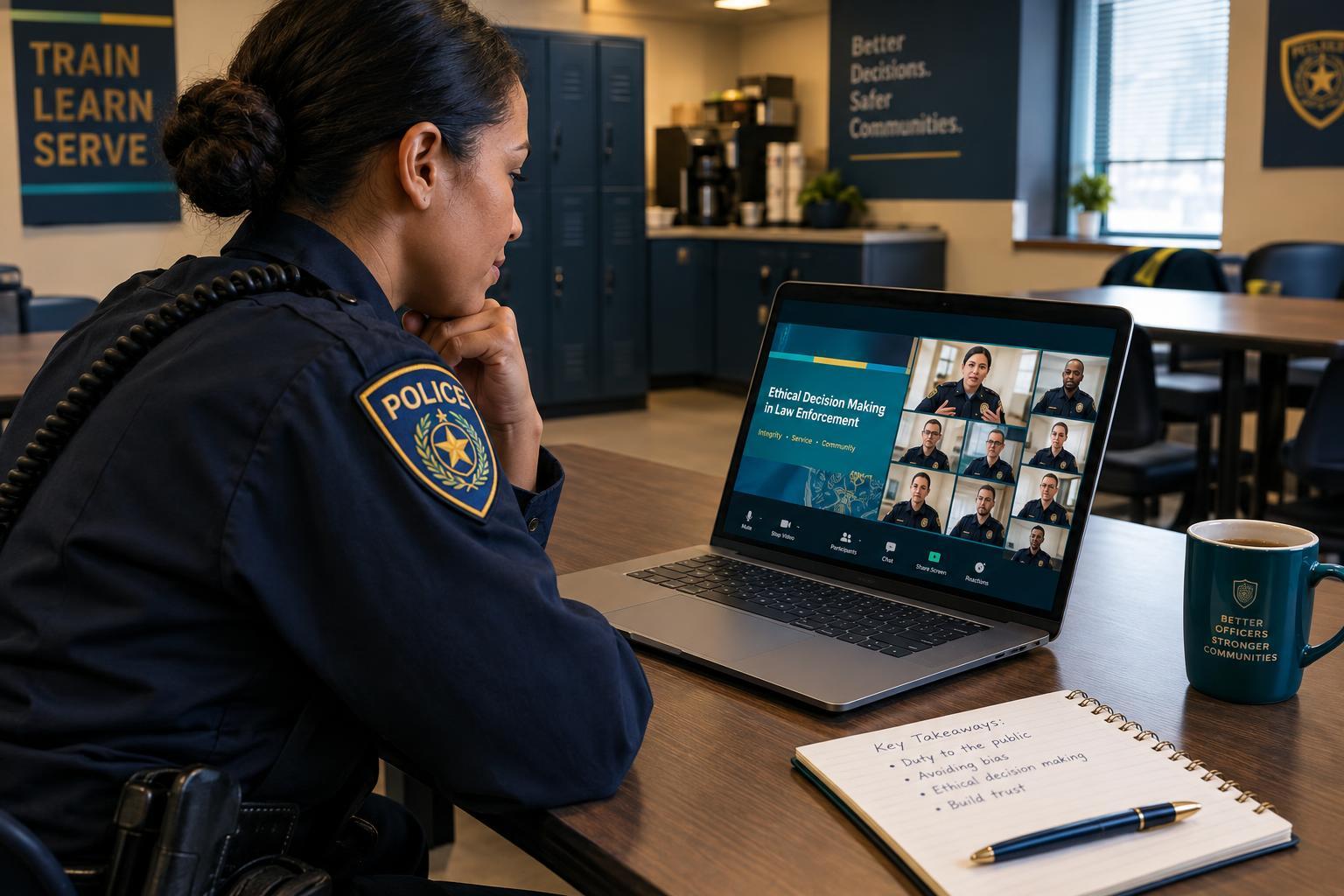
Formal training determines whether these approaches enter daily practice. Research on police interviewing found that formal training in specific methods was strongly associated with the techniques officers used, while about 91% of officers reported picking up skills informally on the job. Behavioral health teams can expect to follow a similar pattern. Without structured instruction, PNI knowledge spreads unevenly and practice varies accordingly. Staff training establishes a consistent baseline that supervisors can reinforce.
What Makes Online Staff Psychology Training Workshops in Psychoneuroimmunology Work at Scale?
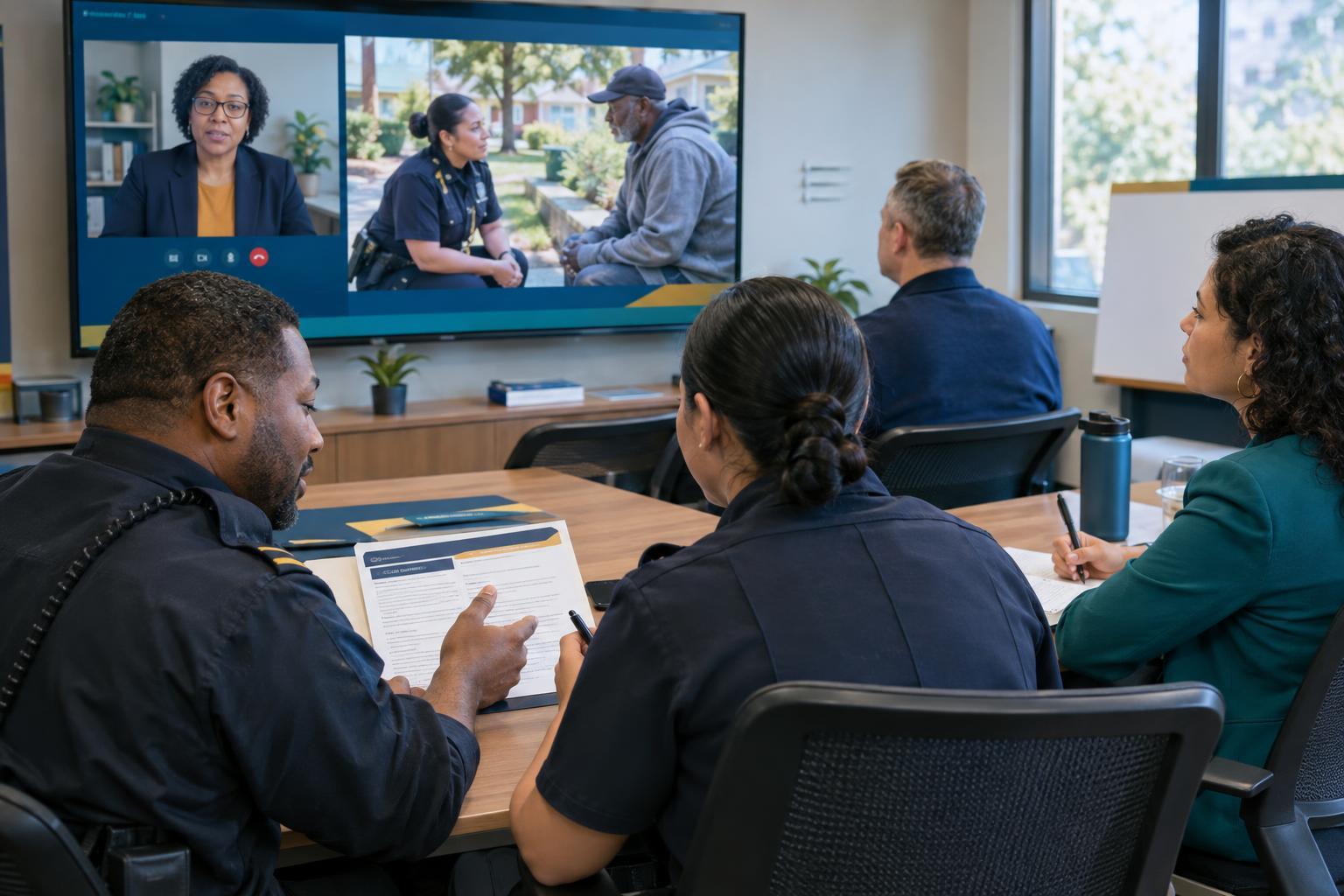
Online delivery fits PNI content particularly well. A systematic review of more than 1,000 empirical studies found that online training programs were as effective as in-person training at achieving learning goals, and online formats offer standardized content and a more cost-efficient way to train larger groups. Standardization carries special value for PNI, because it provides a shared understanding of the holistic impact of specific conditions.
Scale also matters because PNI is an interdisciplinary topic. Counselors, social workers, psychologists, nurses, and case managers all encounter stress-related health presentations, and integrated models that embed behavioral health into medical settings improve access, shorten waitlists, and ease provider burnout. Practitioners who have built careers in integrated medical and behavioral health settings emphasize how much the work depends on clinical skills that translate across professional boundaries. Training an entire team on the same PNI framework produces a shared vocabulary that makes case conferences, referrals, and care coordination more efficient.
Directors evaluating programs should look for a few structural features:
- A mix of self-paced and live components. Self-paced modules handle foundational content efficiently, while live sessions allow staff to work through cases from their own caseloads. Statewide programs have used live and on-demand training together to standardize practice across geographically dispersed staff.
- Customization to the populations served. A correctional mental health program, a primary care integration team, and a youth-serving agency each need PNI applied to different clients. Group training programs that adapt content to an organization's setting produce material staff can apply immediately.
- Continuing education credit and credentialing. CE credit keeps licensed staff current with board requirements while the organization builds competency.
- A plan for refreshing content. Psychological knowledge has an estimated half-life of roughly seven years. Periodic refreshers keep staff aligned with emerging research on inflammation, sleep, and the gut-brain axis.
Conclusion
Psychoneuroimmunology explains much of what behavioral health staff see daily: the fatigue that accompanies depression, the mood effects of chronic illness, the physical toll of trauma and poverty. Staff fluent in the stress-immune axis read those presentations with more accuracy, coordinate more effectively with medical teams, and deliver psychosocial interventions already shown to improve immune function. Online staff psychology training workshops give clinical directors an efficient path to that fluency, delivering standardized content to entire teams while leaving room for customization to the populations an organization serves. The programs that produce lasting change connect mechanism to practice, define the scope of behavioral health's role, and give staff a shared framework they can carry into every case conference and treatment plan.
Additional Resources
eBook
Training
- Training for Staff, Teams and Groups with CONCEPT
- Integrated Behavioral Health Certificate | CONCEPT @ PAU
Podcast
Blog Posts
- Counselors' Roles in Integrated Behavioral Health
- The Microbiota-Gut-Brain Axis: Implications for Mood and Well-Being
- Nurturing Emotional Well-being Through Integrated Behavioral Health Care: A Comprehensive Approach
- Psychoneuroimmunology: Behavioral Health Insights & Impact
- Enhancing Self-Regulation for Integrated Behavioral Health: A Holistic Approach
- Behavior Change Wheel
- PAU Professor Lynn C. Waelde Leads Community-Wide Stress Reduction Initiative
- Training Influences Technique When it Comes to Police Interrogation
- What is Online Training?
- Case Study: The State of Utah - CONCEPT Professional Training
- The Importance of Continuing Education in Mental Health Careers