1. How to Start Your Own Private Practice in Counseling & Psychology
Learn the elements of a business plan, establish a place of practice, and consider legal requirements.
2. How to Become a Private Practice Therapist
While the article above covers the business aspects of running a practice, this post will outline what it takes to stay up to date with the latest education and best practices in the industry.
3. How to Maintain Cultural Mindfulness in Your Psychotherapy Career
Learn to incorporate a diverse practice in your psychotherapy career, to expand the care you are able to provide to your clients.
4. Therapy Notes
Read through practical tips and tricks to maintain professional and legally compliant therapy notes, including HIPAA requirements.5. Establishing Boundaries with Patients
To ensure a successful relationship between the therapist and patient, therapeutic boundaries are vital. Learn about the five major boundaries to create in your practice.
6. How to Become an Online Counselor
While online counselors go through the same formal schooling as in-person counselors, there are nuances and competitive advantages to be gleaned from digital mental health trainings. Additionally, online counselors are paid more on average, according to ZipRecruiter.
7. How to Become a Trauma Therapist
To become a trauma therapist, you need to earn a psychology graduate degree. After receiving a degree, you need to build experience treating trauma survivors and maintain your competence with the latest training in trauma therapy.
8. How to Become an Integrated Behavioral Health Clinician
Integrated behavioral health clinicians approach their treatment with a holistic view of medical, psychological, and behavioral research. Learn about relevant treatment models, trainings, jobs, and more.
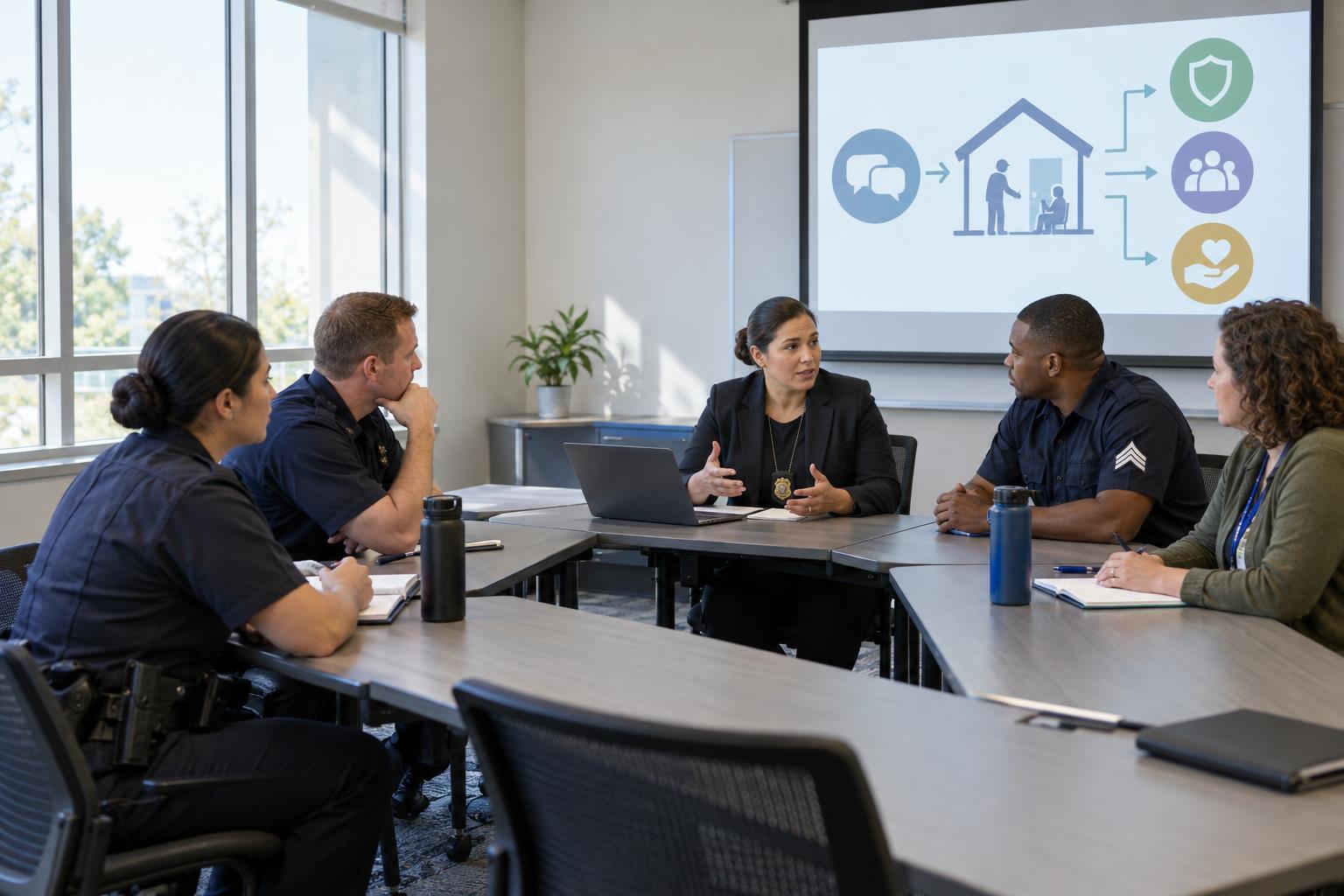
9. Building a Career in Police & Public Safety Psychology
Learn about this niche area of practice and how you can prepare to become a specialist in this increasingly-needed domain.
10. Foundations of Digital Mental Health Certificate
This Certificate program is a 4-course, 50-Hour in-depth training sequence comprised of self-paced online training videos, readings, and exercises. You will learn crucial skills such as how to choose, implement, and integrate the proper digital tools in your own practice, conduct virtual interventions, and remotely assess risk.
.jpeg)